Oral Care for People with Cardiovascular Disease

Oral Care for People with Cardiovascular Disease

Most people with heart conditions are told to watch their diet, manage stress, and stay active, but rarely mark oral hygiene as a priority. Abledent’s products make daily oral care simpler, gentler, and easier to keep up with.

Most people with heart conditions are told to watch their diet, manage stress, and stay active, but rarely mark oral hygiene as a priority. Abledent’s products make daily oral care simpler, gentler, and easier to keep up with.

CONSEQUENCES

Why Oral Care Matters for People with Heart Conditions

Source:
National Library of Medicine – 30008237

01

Heart Health Risks

Gum disease has been linked to a higher risk of heart attack, stroke, and other cardiovascular conditions.

02

Oral-Heart Connection

Researchers believe that bacteria and inflammation in the mouth may affect heart health over time.

03

Daily Care Matters

Consistent daily oral care is associated with lower rates of cardiac events, not just better teeth.
CHALLENGES

Oral Care Challenges for Cardiovascular Patients

Heart conditions and the medications used to manage them can make everyday oral care more challenging, often leaving standard products feeling too harsh and uncomfortable.

Dry Mouth

Many common heart medications (e.g. beta-blockers and diuretics) reduce saliva as a side effect. Less saliva means bacteria multiply faster, plaque builds up more easily, and decay risk rises.

Bleeding Gums

Blood thinners increase the likelihood of gum bleeding during brushing, which often leads people to brush less or avoid it entirely.

Gum Overgrowth

Calcium channel blockers can cause gum tissue to overgrow and cover teeth, making thorough cleaning difficult and increasing the risk of infection.

Constant Fatigue

Two minutes of brushing twice a day can feel like climbing a mountain due to the lack of stamina, especially post-event or post-surgery.
SOLUTIONS

What to Look for in Oral Care Products for People with Heart Conditions

For cardiovascular patients, the priority is an oral care routine that’s gentle enough to sustain, effective enough to matter, and built around what the medications are actually doing to the mouth.

Mouthwash category icon

Non-foaming, SLS-free toothpaste

Xylitol-based formulas

Remineralising Toothpaste

Alcohol-free formulas across the routine

GET STARTED TODAY

Find Your Community in Oral Care

Living with a cardiovascular condition means managing more than most people realise, and oral care is one of the least talked about parts of it. This is a space to share what helps, learn from others, and feel understood without judgment.

Common Questions About Oral Care for Heart Patients

My gums bleed every time I brush. Should I brush less?

The instinct is understandable, but it usually makes things worse. In people with heart conditions, bleeding gums are often linked to inflammation and blood-thinning medications. Stopping brushing allows plaque to build up, which increases the bleeding. A softer brush and a gentle, non-foaming toothpaste can help keep the routine going without irritating the gums.

My mouth feels very dry even though I drink enough water. What should I avoid?

Dry mouth from heart medications is caused by reduced saliva, so water alone does not fix it. Alcohol-based mouthwashes are the main thing to avoid, as they can make dryness worse. A non-foaming toothpaste can also help reduce daily irritation and make oral care more comfortable.

Is there a toothpaste better suited for people on long-term heart medications?

Yes. If long-term heart medications have left your mouth feeling dry or increased your risk of cavities, a toothpaste that supports enamel health can help. Abledent Calcium Toothpaste contains Calcium Sucrose Phosphate and Xylitol to help remineralise weakened enamel, strengthen teeth, and support overall oral health while remaining gentle for everyday use.

Does poor oral health actually affect my heart condition?

Yes. Even after accounting for other health factors, gum inflammation has been linked with higher cardiovascular risk. Keeping the mouth healthy is part of supporting overall heart health, not something separate from it.

I had a cardiac event and brushing feels exhausting on some days. What can I do instead?

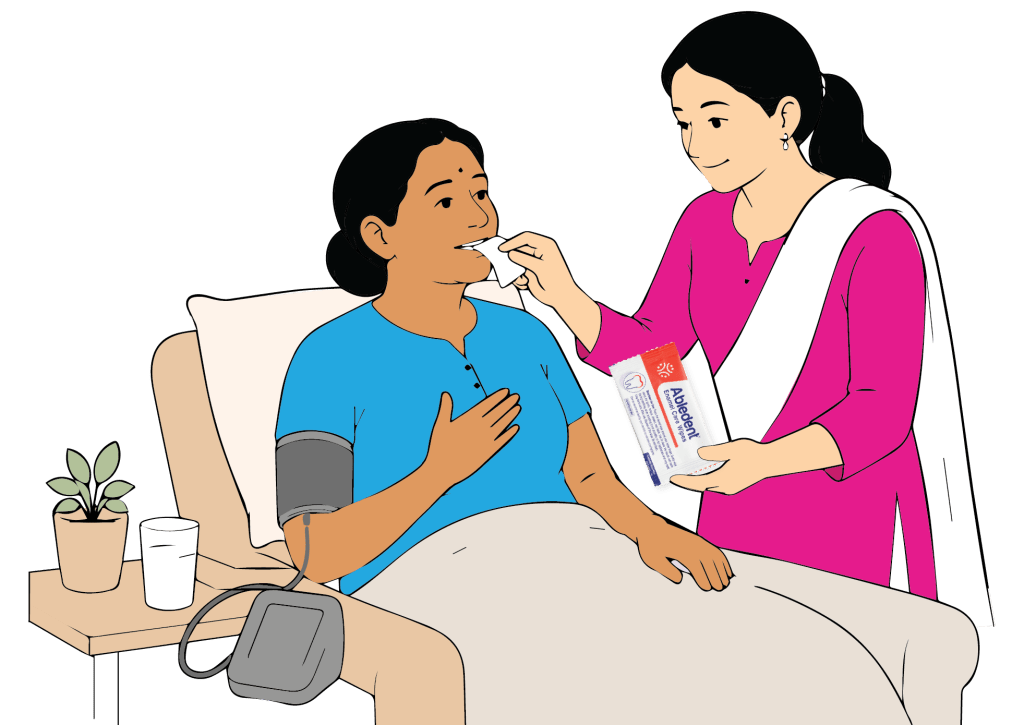
On days when brushing feels too exhausting, Abledent Enamel Care Wipes offer a convenient way to help maintain oral hygiene. They provide fluoride-rich enamel protection while helping remove plaque and food debris without the need for rinsing. While they are not a replacement for brushing, they can still support oral care when a full brushing routine isn’t possible.

My dentist said my blood pressure medication is affecting my gums. What can I do?

Some blood pressure medications can cause gum overgrowth (gingival enlargement), and plaque buildup can make the condition worse. Gentle, consistent plaque removal and regular dental cleanings can help manage it. If your symptoms are significant, speak with your cardiologist to discuss whether an alternative medication may be suitable. Do not stop or adjust your medication on your own.

I have a heart valve condition or a history of endocarditis. Does oral hygiene matter more for me?

Yes. For people with certain heart valve conditions or artificial valves, bacteria entering the bloodstream from the mouth carry a higher risk, which is why dentists take special precautions for them. Consistent, gentle daily oral care helps reduce the bacterial load in the mouth in the first place. Tell your dentist about your heart condition before any procedure, and follow the guidance your cardiologist has given you, including any antibiotics prescribed before dental treatment.