Oral Care for Stroke Survivors
Oral Care for Stroke Survivors
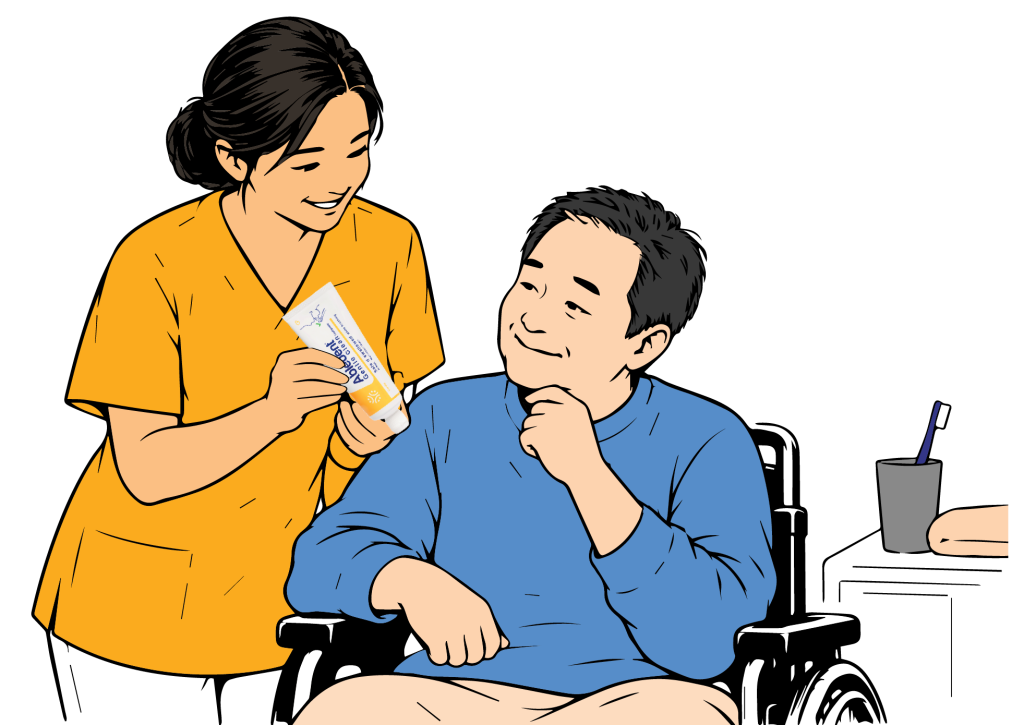
After a stroke, most of the focus naturally goes toward recovery, mobility, and speech, and rarely toward oral care. Brushing is no longer an easy task, which is why Abledent products make daily oral care gentler, safer, and easier to maintain through recovery.
After a stroke, most of the focus naturally goes toward recovery, mobility, and speech, and rarely toward oral care. Brushing is no longer an easy task, which is why Abledent products make daily oral care gentler, safer, and easier to maintain through recovery.
Why Oral Care Matters for Stroke Survivors
Source:
AHA|ASA Journals – Oral Care Assessment Tools and Interventions After Stroke
01
Rapid Plaque Buildup
02
Aspiration Risk
03
Post-Stroke Oral Health
Common Oral Care Challenges After Stroke
Stroke can affect movement, swallowing, sensation, and memory in ways that make maintaining a simple oral hygiene routine difficult.
One Side of the Body May Not Cooperate
Rinsing & Spitting Become Difficult

The Mouth Feels Different

Daily Routines Become Harder
What to Look for in Oral Care Products
The standard oral care aisle was built for people who can stand, hold a brush, rinse, and spit without thinking about it. After a stroke, the product has to do more of the work.
Swallow-safe, no-rinse toothpaste
Dental wipes with Chlorhexidine

Alcohol-free, non-foaming formulas
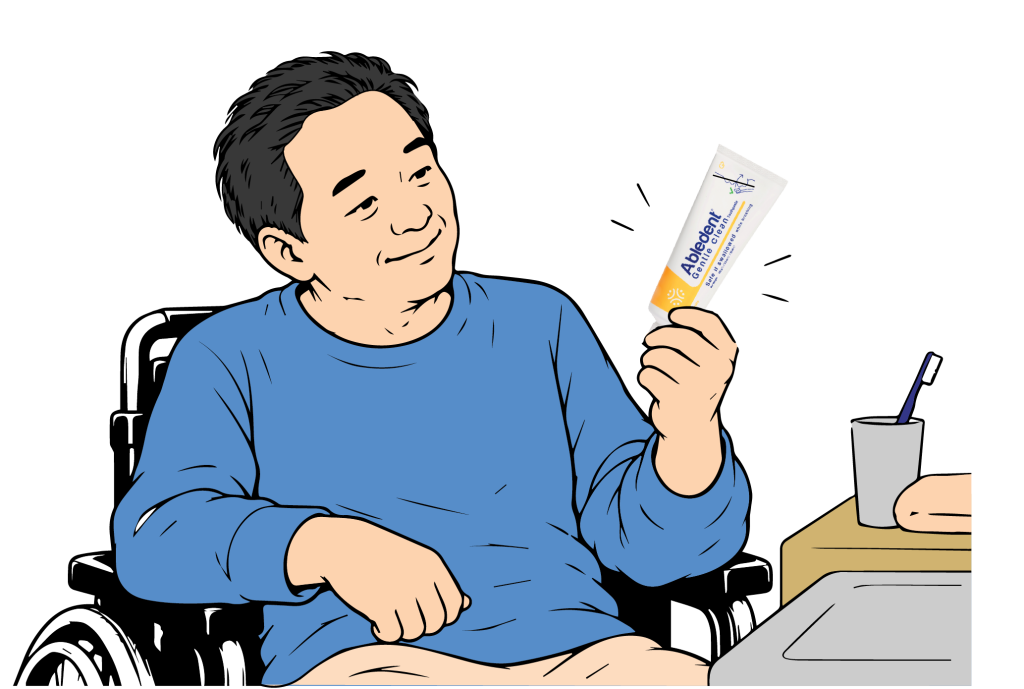
Recommended Abledent Products
Abledent Gentle Clean Toothpaste
Abledent Active Clean Wipes
Abledent Calcium Toothpaste
Disclaimer: Consult your dentist or doctor before introducing new oral care products.

Find Your Community in Oral Care
Caring for a stroke survivor means navigating recovery decisions nobody really prepares you for, often without clear guidance. This is a space where caregivers can share what works, exchange experiences, and connect with people who truly understand the situation.
Common Questions About Oral Care After Stroke For Caregivers
Anything that requires rinsing and spitting carries a real aspiration risk post-stroke. Abledent Gentle Clean Toothpaste is safe even if swallowed, and it requires no rinsing after use. For days when brushing isn’t possible, Abledent Gentle Clean or Active Clean wipes can be used by gently wiping the teeth and gums. Help them sit upright, or turn slightly to one side, before starting.
A soft brush with a thicker handle is easier to grip with reduced motor control. Sitting upright and slightly turned to the side helps with stability. On the days when grip fails entirely, Abledent Gentle Clean Wipes or Active Clean Wipes are a practical one-hand alternative.
Yes, and it is worth taking seriously. After a stroke, dental plaque can become a reservoir for harmful bacteria that may increase the risk of aspiration pneumonia. On days when brushing is not possible, consider Abledent Active Clean Wipes with Chlorhexidine.
Dry mouth after a stroke is often a combination of reduced saliva, medication side effects, and mouth breathing. Avoid alcohol-based mouthwashes, which strip moisture further. A non-foaming, SLS-free toothpaste like Abledent Calcium Toothpaste reduces irritation and keeps the routine as comfortable as possible.
Look for a toothpaste that does not need rinsing or spitting, since both rely on muscle control that a stroke often affects. Abledent Gentle Clean Toothpaste is foam-free, SLS-free, and safe if swallowed when used as directed, which removes the aspiration risk that comes with standard toothpaste. If dry mouth has left enamel weaker, Abledent Calcium Toothpaste adds Calcium Sucrose Phosphate and Xylitol to support remineralisation, and is equally gentle on a sensitive mouth.
Common Questions About Oral Care After Stroke For Stroke Survivors
A softer brush, a thicker handle, and sitting down rather than standing all reduce the physical demand. If grip is the main issue, Abledent Gentle Clean or Active Clean Wipes are a one-hand, no-water option that keeps teeth clean on the days brushing isn’t manageable.
With standard fluoride toothpaste, the residue that gets swallowed is a concern. Switching to Abledent Gentle Clean Toothpaste removes that worry; it’s specifically formulated to be safe if swallowed, so an incomplete rinse is no longer a safety issue.
The main thing to avoid is alcohol-based mouthwash. It may feel refreshing temporarily, but it can dry the mouth out even further. A non-foaming, SLS-free toothpaste and an alcohol-free oral care routine will usually feel far more comfortable day to day.
It depends on whether you can rinse and spit reliably. If swallowing has been affected, mouthwash is not suitable, because rinses that are swallowed rather than spat out carry an aspiration risk. If you can rinse and spit comfortably, an alcohol-free rinse can be part of the routine, but check with your doctor or dentist first if swallowing is still being assessed.