Oral Care for Dry Mouth
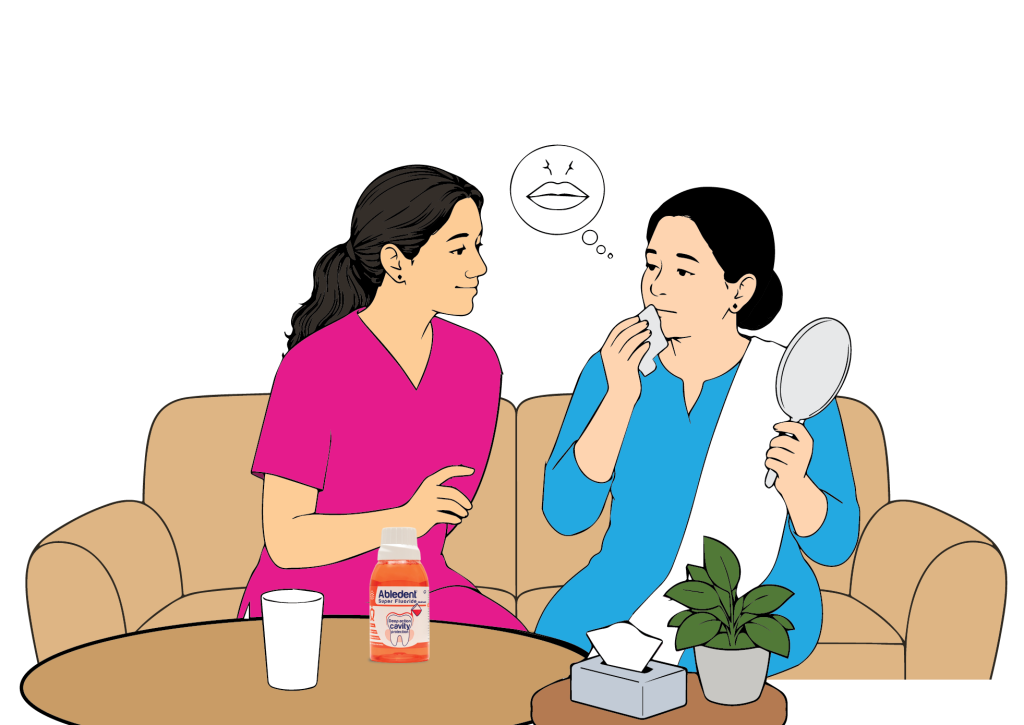
A persistently dry mouth affects far more than comfort. Without enough saliva, teeth and gums become more vulnerable to decay, irritation, and infection. Abledent’s gentle oral care range is designed to support mouths already dealing with dryness and sensitivity.

Why Oral Care Matters When You Experience Dry Mouth
Source:
Mayo Clinic – Dry Mouth
A Dental Place – The Effects of Dry Mouth on Oral Health and How to Treat It
01
Increased Oral Risk
02
Long-Term Damage
03
Medication-Induced Dryness
Oral Care Challenges When You Have Dry Mouth
Dry mouth changes the entire oral environment, and many everyday oral care products can make the irritation and damage worse.

Everyday products can make it worse

Plaque builds up much faster

Teeth lose natural protection

Higher risk of oral infections
What to Look for in Oral Care Products for Dry Mouth
The goal is to protect what saliva normally would, without ingredients that compound the problem.

SLS-free and non-foaming formulas

Alcohol-free mouthwash options

Remineralising ingredients

Recommended Abledent Products
Abledent Super Fluoride Mouthwash
Abledent Calcium Toothpaste
Abledent Enamel Care Wipes

Find Your Community in Oral Care
Dry mouth is often linked to other conditions or medications, but its daily impact is often overlooked. This is a space to share what helps, from products to simple habits that make it easier to manage.
Common Questions About Oral Care for Dry Mouth
Dry mouth caused by medication or a systemic condition is not solved by hydration alone. The issue is reduced saliva production, not lack of fluids. Water can help with comfort, but does not restore saliva’s protective functions. The oral care routine needs to compensate by using a non-foaming, SLS-free toothpaste, avoiding alcohol-based mouthwashes, and considering a remineralising toothpaste if enamel sensitivity has developed.
Two key things: SLS (sodium lauryl sulfate) in toothpaste and alcohol in mouthwash. Both can dry out the mouth and make symptoms worse. Many standard products contain one or both, so switching away from them is often the most important first step for dry mouth care.
Yes, very likely. Reduced saliva increases the risk of demineralisation, where enamel gradually weakens and erodes. Normally, saliva helps repair and protect teeth throughout the day. When it is reduced, that protection is lost. Abledent Calcium Toothpaste with Calcium Sucrose Phosphate supports remineralisation and helps strengthen weakened enamel with SLS or foaming agents.
This is common with long-term medication use, as saliva production can continue to decrease over time. The oral care routine should adjust accordingly. Abledent Calcium Toothpaste and Abledent Super Fluoride Mouthwash can help when enamel sensitivity develops. It is also worth mentioning worsening dry mouth to your doctor, as they may be able to review the medications involved. Do not stop or change any medication on your own.
Yes, but make sure to avoid alcohol-based rinses. An alcohol-free fluoride rinse like Abledent Super Fluoride Mouthwash adds cavity protection where dry mouth raises decay risk, provided you can rinse and spit comfortably; it must not be swallowed.
The most common cause is medication. Many commonly prescribed medicines, including those for blood pressure, depression, allergies, pain, and seizures, list dry mouth as a side effect, and the risk increases when several are taken together. Dry mouth is also often linked to cancer treatment such as chemotherapy or radiation, autoimmune conditions like Sjögren’s syndrome, and natural changes with age. If your dry mouth is ongoing, consider talking to you doctor or dentist to identify what is driving it.