
Oral Care for People with Limited Mobility
Oral Care for People with Limited Mobility
A broken wrist, a spinal injury, or muscles that no longer cooperate the way they used to can all make brushing difficult. Abledent’s inclusive products are designed with these needs in mind.
A broken wrist, a spinal injury, or muscles that no longer cooperate the way they used to can all make brushing difficult. Abledent’s inclusive products are designed with these needs in mind.

What Limited Mobility Does to Oral Health Over Time
Source:
John Hopkins Arthritis Center – Dental Health and Rheumatoid Arthritis: A Research Update
01
Brushing Challenges
02
Limited Hand Mobility
03
Dry Mouth Risk
04
Mobility & Oral Health
Why Brushing Becomes a Real Physical Challenge
Changes in strength, movement, and coordination can make even simple daily brushing harder to perform consistently with standard oral care products.

Grip, strength, and coordination are compromised

Pain affects consistency
Recovery creates gaps in care
What to Look for in Oral Care Products for Limited Mobility
Products that require less grip, less effort, and fewer steps — so oral care stays consistent even on the hardest days.
Wipes for Days When Brushing Cannot Happen
Remineralising Ingredients for Vulnerable Enamel

Accessible, Easy-to-Use Packaging
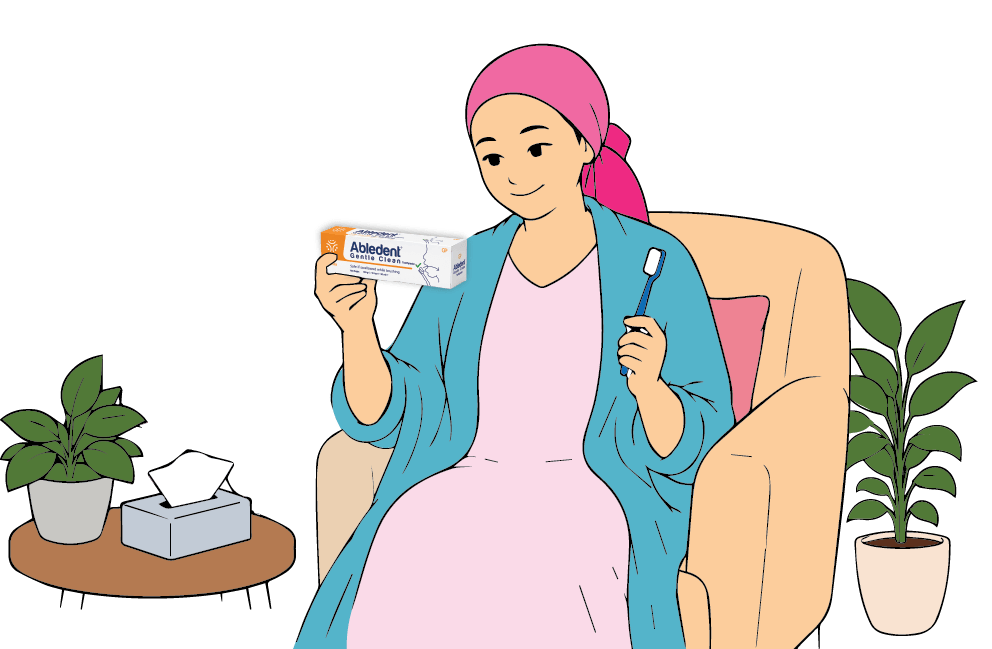
Recommended Abledent Products
Abledent Calcium Toothpaste
Abledent Enamel Care Wipes
Abledent Super Fluoride Mouthwash
Disclaimer: Consult your dentist or doctor before introducing new oral care products.

Find Your Community in Oral Care
Whether you are recovering from a fracture, living with a long-term musculoskeletal condition, or caring for someone who struggles with brushing, this is a space where those experiences are understood. A place to share practical solutions and honest conversations.
Questions About Oral Care With Limited Mobility
On better days, an electric toothbrush with a wide grip can make brushing easier by reducing the need for fine control. When brushing is difficult during recovery or after surgery, Abledent Super Fluoride Mouthwash can help support daily oral care with a quick rinse, provided you can spit, making it a practical option until regular brushing becomes easier again.
Painful or stiff joints make gripping and controlling a toothbrush harder, which often means brushing becomes less thorough rather than less frequent. A thicker-handled or electric toothbrush reduces the fine control needed, and building the routine around the time of day when stiffness is lowest helps. On days when gripping a brush is not realistic, Abledent Enamel Care Wipes clean teeth and gums without a brush, water, or rinsing, so oral care still happens. Abledent Calcium Toothpaste supports enamel on the days brushing is shorter than you would like.
Most standard toothpastes are not designed to be swallowed, which can be difficult when rinsing and spitting are limited. Abledent Gentle Clean Toothpaste is safe if swallowed, SLS-free, and made with food-listed ingredients.
Dry mouth is a common side effect of pain relief and anti-inflammatory medications and can increase the risk of tooth decay. Avoid alcohol-based mouthwashes, as they can make dryness worse. Abledent Calcium Toothpaste helps support enamel during daily brushing, while Abledent Super Fluoride Mouthwash provides added cavity protection as part of a simple oral care routine.
Choose something simple to use with minimal effort. Abledent Gentle Clean Toothpaste is easy to apply, requires no rinsing, and is safe if swallowed. For long-term support, Abledent Calcium Toothpaste helps protect and strengthen enamel when brushing is inconsistent.
Yes. When brushing is consistently difficult, oral care wipes are an effective alternative. Abledent Enamel Care Wipes are designed for long-term daily use, helping clean the teeth, gums, and tongue while providing fluoride-based cavity protection and supporting enamel strength.
Yes. Abledent toothpastes use a flip-top cap designed to be opened with reduced hand strength, so you are not fighting the packaging before the routine even starts. The boxes also carry braille, and the wipes come in single-use packs, which helps when grip or coordination is unreliable.