Oral Care for People with Parkinson's Disease

Oral Care for People with Parkinson's Disease

Parkinson’s affects the hands, muscles, mouth, and the ability to do something as basic as brushing your teeth. Abledent has a range of inclusive oral care products that make oral hygiene easy to keep up with.

Parkinson’s affects the hands, muscles, mouth, and the ability to do something as basic as brushing your teeth. Abledent has a range of inclusive oral care products that make oral hygiene easy to keep up with.

CONSEQUENCES

Why Oral Care Matters for Parkinson's Patients

Source:
Parkinson’s Foundation – Dental Health

01

Common Oral Problems

Tooth decay, gum disease, and tooth loss are common for people with Parkinson’s.

02

Hidden Oral Issues

Parkinson’s is associated with gum recession, periodontal disease, dry mouth, drooling, and swallowing difficulties. Many of these develop slowly and without obvious pain, which is why they’re so frequently missed.

03

Aspiration Risk

Bacteria in the mouth can be aspirated into the lungs, causing aspiration pneumonia.
CHALLENGES

Oral Care Challenges for Parkinson's Disease

Barriers like reduced motor control, changes in muscle function, and changes in the mouth often get in the way of maintaining a consistent oral hygiene routine.

Frequent tremors

Shaking hands and stiffness can make brushing a tiring task, especially when one side of the body is more affected.

Difficulty Rinsing and Spitting

Parkinson’s can affect the muscle control needed for rinsing and spitting, making even basic steps of brushing feel unsafe or hard to manage.

Dry Mouth

Some people experience both drooling and dry mouth. Saliva is harder to control, and medications can also reduce it, leaving the mouth less protected.

Daily Routine Challenges

Changes in movement and thinking can make it harder to start and finish everyday oral care, even when the intention is there.
SOLUTIONS

What to Look for in Oral Care Products

Go for products that are easier to use and safer when swallowing is a concern.

Swallow-safe, no-rinse toothpaste

Mouthwash category icon

Non-foaming, SLS-free formula

Chlorhexidine wipes

Alcohol-free options

GET STARTED TODAY

Find Your Community in Oral Care

Caring for someone with Parkinson’s means adapting every day to a condition that keeps changing. This is a space where people living with Parkinson’s and their caregivers share what actually works, without needing to explain the complexity behind it.

Common Questions About Oral Care for Parkinson's for Caregivers

The person I care for has Parkinson’s and can't reliably spit after brushing. What's safe?

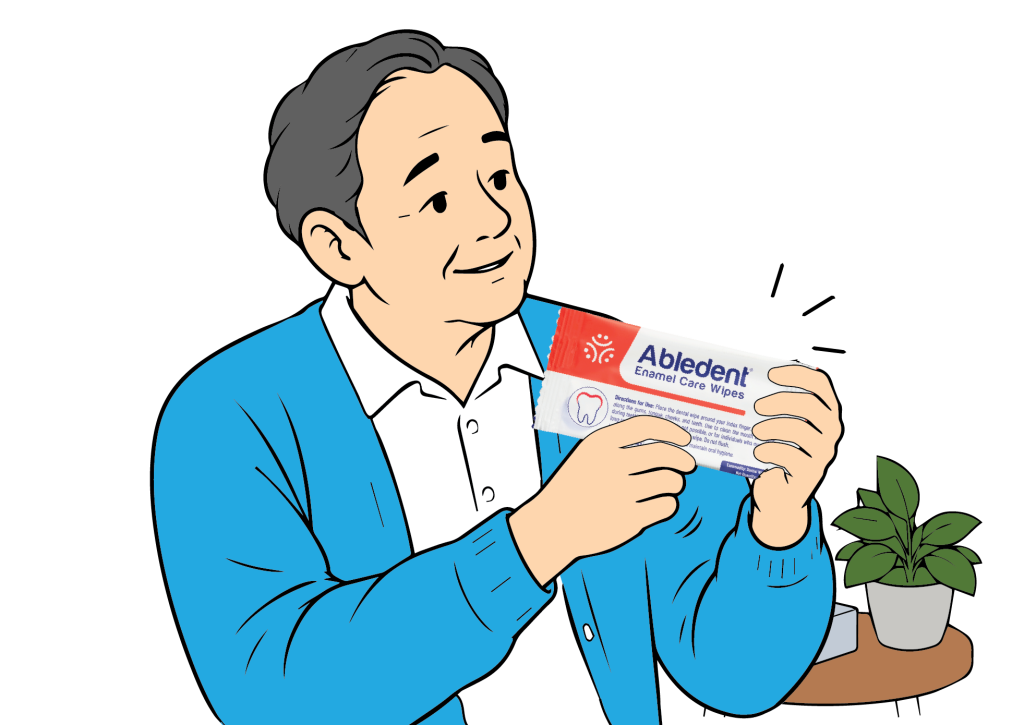
Standard toothpaste isn’t designed to be swallowed, which makes it a real concern when spitting is unreliable. Abledent Gentle Clean Toothpaste is safe even if swallowed, so the worry about incomplete spitting goes away. On days when brushing isn’t manageable, Abledent Gentle Clean or Enamel Care Wipes clean teeth and gums with no water or rinsing at all.

Tremors make holding a brush really difficult. Any practical advice?

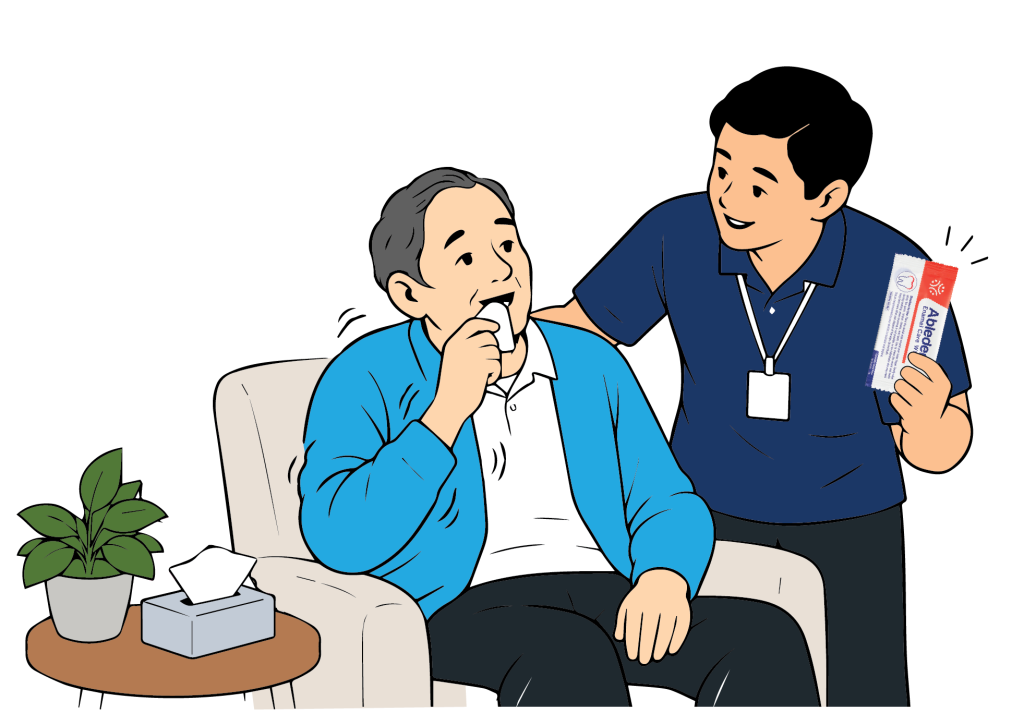
Sitting down to brush rather than standing removes the balance element. A brush with a thicker, easier-to-grip handle helps with control. When grip fails entirely, oral care wipes are the most practical fallback.

Should I be concerned about infection risk in the mouth?

Yes, particularly as the condition progresses. Oral bacteria can be aspirated into the lungs, which is why oral hygiene matters more as swallowing becomes harder.. On days when brushing isn’t possible, consider using Abledent’s Active Clean Wipes, which contain Chlorhexidine that helps fight mouth bacteria.
Common Questions About Oral Care For People Living With Parkinson's

My hands are less steady than they used to be. Is there anything that makes brushing easier?

Sitting rather than standing, a softer brush with a thicker handle, and keeping sessions shorter but more consistent can help. On the days when brushing is not possible, Abledent Gentle Clean and Enamel Care wipes are a great no-water alternative that helps keep teeth clean and protected.

My mouth feels dry even though I seem to drool. What's going on?

It’s a common and genuinely confusing experience with Parkinson’s. The drooling is usually about difficulty swallowing saliva, not excess production. The result is a dry oral environment despite appearances. Avoiding alcohol-based mouthwashes and switching to a non-foaming, SLS-free toothpaste like Abledent Gentle Clean Toothpaste can help keep daily discomfort more manageable.

I sometimes can't tell if I've properly rinsed. Is that a problem?

With standard fluoride toothpaste, yes. Switching to Abledent Gentle Clean Toothpaste means it’s safe even if swallowed, so an incomplete rinse is no longer a concern. It’s a simple swap that removes one source of daily worry from the routine.