Oral Care for Dysphagia & Swallowing Difficulties
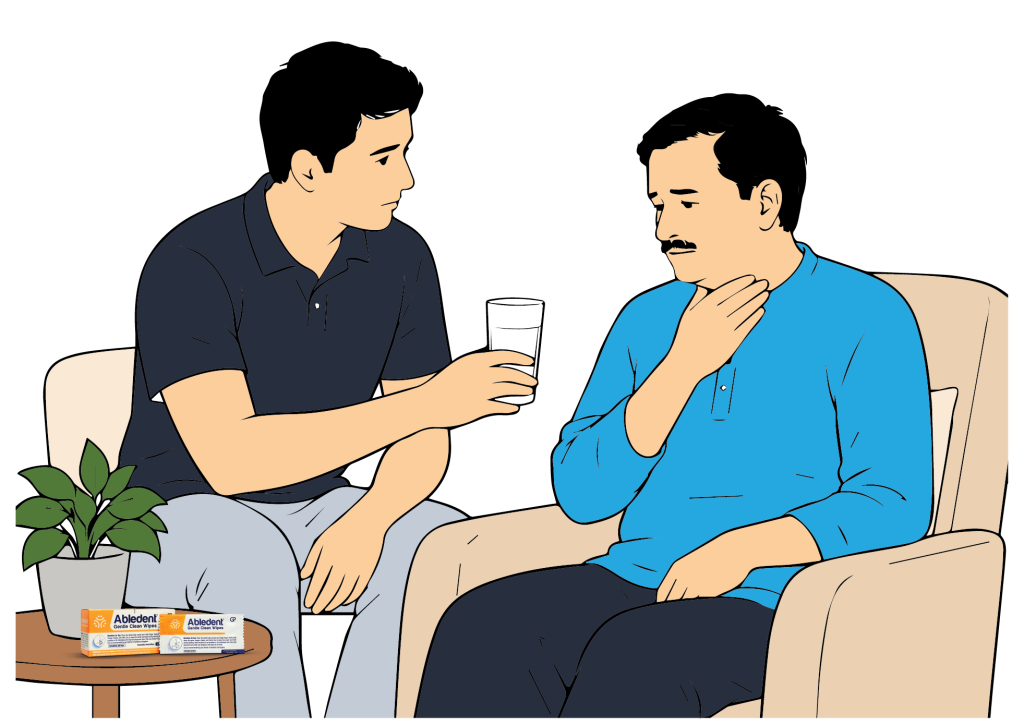
Swallowing difficulties make something as simple as brushing feel complicated. Abledent takes the complication out, with a foam-free toothpaste that is safe if swallowed and no-rinse oral care wipes.
Why Oral Health Cannot Be Put on Hold With Dysphagia
Source:
The Gallery Dental Centre of Excellence – Managing Epilepsy And Oral Health
01
Aspiration Pneumonia Risk
02
Slower Swallowing Recovery
03
Dry Mouth Risks
04
Respiratory Infection Risk
Why Standard Oral Care Does Not Work for People With Dysphagia
Swallowing difficulties change the rules of oral care entirely. Most regular products were simply not designed with these situations in mind.
Rinsing and Spitting Are Not Always Safe
Foam Increases the Risk of Aspiration
Accidentally Swallowing Toothpaste Is Common
Fatigue & Limited Mobility
What to Look for in Oral Care Products for Dysphagia
Fewer risks, fewer steps, and formats that keep oral hygiene consistent even when swallowing is unpredictable.
Swallow-Safe & No-Rinse Formulas
Foam-Free Formulas
Wipes as a No-Rinse Alternative
Gentle, Mild Flavours
Recommended Abledent Products
Abledent Gentle Clean Toothpaste
Abledent Gentle Clean Wipes
Abledent Active Clean Wipes
Disclaimer: Consult your dentist or doctor before introducing new oral care products.
Find Your Community in Oral Care
Oral care with dysphagia is rarely discussed, even though it affects everyday comfort and safety. This is a space for people with swallowing difficulties, their families, and their caregivers to share what works, ask what they need, and feel less alone in navigating it.
Questions About Oral Care With Dysphagia
Fluoride, SLS, and alcohol are the three most important ingredients to avoid. Fluoride is not meant to be swallowed regularly, SLS can irritate sensitive mouths, and alcohol-based mouthwashes dry the mouth further. Look for swallow-safe formulas free from all three. Abledent Gentle Clean Toothpaste is designed for exactly this situation. Rinsing with any mouthwash can carry an aspiration risk, so check with their speech and language therapist first.
Yes, but the products used need to be chosen carefully. Regular toothpaste and mouthwash that require rinsing or spitting can be risky for someone with dysphagia. A foam-free toothpaste that is safe if swallowed, like Abledent Gentle Clean Toothpaste, needs no rinsing and leaves less liquid in the mouth. Use a small amount, wipe away any excess, and ask their doctor about the safest position for brushing.
Yes, and for many people with dysphagia, they are the most practical daily option available. Abledent Gentle Clean Wipes clean teeth, gums, and tongue without any water or rinsing. For those at a higher risk of oral infection, Abledent Active Clean Wipes with Chlorhexidine help fight germs.
Bacteria from an unclean mouth can enter the lungs when swallowing is impaired. That’s why regular, gentle oral care matters so much with dysphagia.
At least twice a day, and consistently. For people with elevated aspiration risk, consistency matters more than anything else. Even on the most difficult days, a single wipe helps limit bacterial buildup and is far better than skipping care entirely.